Potassium and sodium above or below normal: causes in athletes and what to do
A deviation of sodium or potassium in an athlete's test can be either a harmless artifact of blood collection or a sign of a life-threatening condition. The editorial team has examined why electrolytes go beyond the normal range specifically in people who train, how to recognize a dangerous situation and what to do next.
Low sodium: exercise-associated hyponatremia
Exercise-associated hyponatremia is defined as a sodium level below 135 mmol/L during or within 24 hours after prolonged activity. It most often occurs in marathons, ultramarathons, triathlons and long hikes. In a study of the 2002 Boston Marathon (Almond et al., 2005) hyponatremia was found in 13% of finishers who agreed to give blood, and critical values (120 mmol/L and below) in 0.6%.
The main cause is fluid intake beyond losses. When an athlete drinks "ahead of the game", ignoring thirst, while the kidneys' excretion of water is limited by increased secretion of antidiuretic hormone during exertion, the excess water dilutes the blood sodium. The risk is higher in slower participants, people with a small body mass and those who gained weight during the distance.
Losses of sodium through sweat play an additional but smaller role. The 2015 consensus (Hew-Butler et al.) emphasizes that even salty sweat without excessive drinking rarely causes severe hyponatremia. Taking salt does not protect if a person continues to drink too much.
Outside endurance sport, low sodium in athletes may be linked to taking diuretics, some antidepressants, non-steroidal anti-inflammatory drugs, to hormonal disorders (adrenal insufficiency, hypothyroidism) and to kidney or liver diseases.
High sodium: dehydration
A sodium level above 145 mmol/L (hypernatremia) in athletes most often means a water deficit. It occurs with prolonged sweating without sufficient drinking, especially in the heat, during a fever, diarrhea or vomiting. A person with a normal thirst mechanism and access to water rarely brings themselves to significant hypernatremia.
A separate risk is deliberate dehydration for weight "cutting" in combat sports, weightlifting and rowing. Sauna, fluid restriction, sweat suits and diuretics in combination produce dangerous blood thickening, impaired thermoregulation and strain on the kidneys. Such practices have repeatedly led to tragic cases.
Rare medical causes are diabetes insipidus (impaired secretion or action of antidiuretic hormone), an excess of mineralocorticoids, consumption of a large amount of salt without water. A doctor considers them if the increase is not explained by dehydration.
Symptoms of hypernatremia are intense thirst, dry mucous membranes, weakness, irritability, and in severe cases confusion and seizures. Correction of severe conditions is carried out only in a hospital, since too rapid a decrease in sodium is also dangerous for the brain.

Low potassium
Hypokalemia is a potassium level below approximately 3.5 mmol/L. In athletes its most frequent causes are diuretics (in particular in weight-"cutting" regimens or for "dryness" before competitions), laxatives, prolonged vomiting or diarrhea, as well as sharp dietary restrictions. Potassium is also lost through sweat, but usually in much smaller amounts than sodium.
Another group of causes is redistribution of potassium into the cells. It is enhanced by insulin, beta-agonists, high levels of adrenaline, alkalosis. That is why some agents used off medical indication for "cutting" (clenbuterol) or for gaining mass (insulin) can cause a dangerous drop in potassium. Such situations require emergency medical care.
The potassium level is also lowered by prolonged abuse of licorice root and by an excess of aldosterone in some hormonal diseases. With persistent hypokalemia without an obvious cause, a doctor orders an additional endocrinological examination.
Manifestations are muscle weakness, cramps, constipation, a feeling of "skipped beats" in the heart. Characteristic changes may appear on the ECG, and with a significant decrease the risk of dangerous arrhythmias rises.
| Deviation | Typical causes in athletes | Alarming symptoms |
|---|---|---|
| Sodium ↓ | Excessive drinking over long distances, medications, hormonal disorders | Headache, vomiting, confusion, seizures |
| Sodium ↑ | Dehydration, weight "cutting" | Intense thirst, weakness, confusion |
| Potassium ↓ | Diuretics, laxatives, vomiting, redistribution into cells | Weakness, cramps, heart skips |
| Potassium ↑ | Hemolysis of the sample, rhabdomyolysis, kidney damage, medications | Weakness, arrhythmias, dark urine (with rhabdomyolysis) |
High potassium: artifact or threat
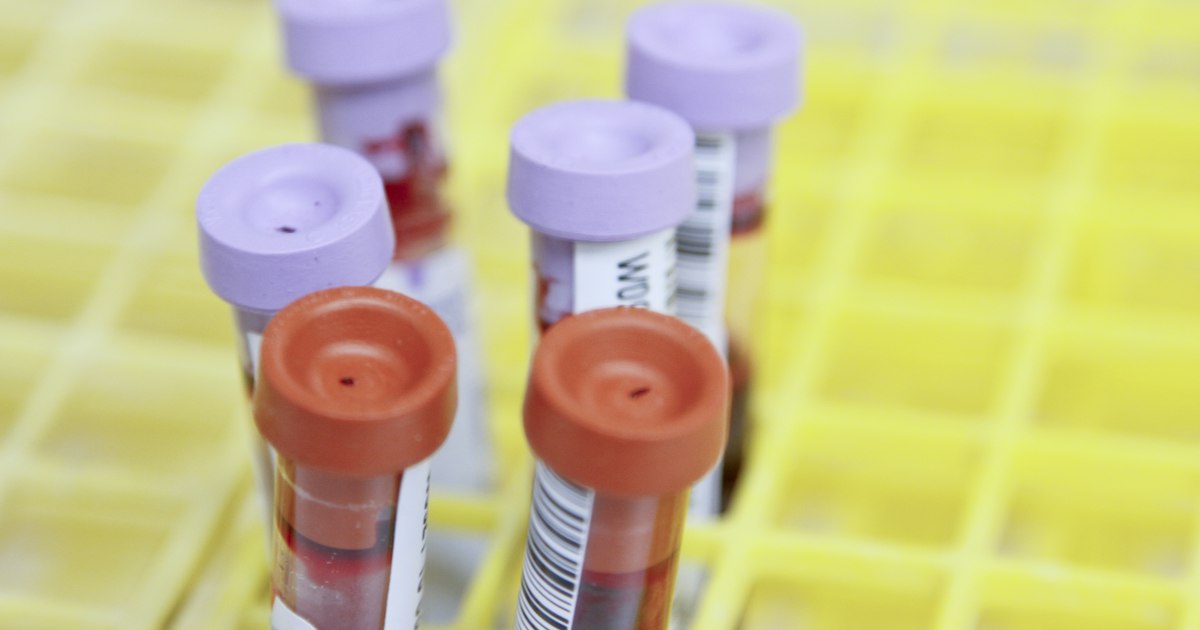
The most common cause of "high potassium" in the test of a healthy athlete is pseudohyperkalemia. Hemolysis of the sample, a prolonged tourniquet, fist-clenching, delayed processing of the sample lead to the release of potassium from blood cells already in the tube. If well-being is normal and other indicators are within the normal range, the test is retaken first.
Real hyperkalemia in athletes is most often linked to rhabdomyolysis — massive destruction of muscle fibers after extreme, unusual or eccentric exertion, especially in the heat. From damaged cells potassium, myoglobin and creatine kinase are released into the blood, and myoglobin can damage the kidneys (Bosch et al., 2009). Dark urine, severe pain and swelling of the muscles are a reason to go to a hospital immediately.
Other causes are acute or chronic kidney damage, taking medications that retain potassium (ACE inhibitors, angiotensin receptor blockers, potassium-sparing diuretics), as well as excessive consumption of potassium supplements or salt substitutes against a background of reduced kidney function.
Hyperkalemia is dangerous primarily for the heart: it can cause severe rhythm disturbances up to cardiac arrest. Therefore a confirmed significant increase in potassium is an emergency, not a reason to "wait and retake in a week".
What to do and how to prevent it
With any electrolyte deviation, the editorial team advises acting on the principle of "safety first". Alarming symptoms — confusion, seizures, vomiting, heart skips, dark urine — mean that emergency care is needed. Independent attempts to "fix" sodium with salt or potassium with supplements in such a situation can do harm.
If there are no symptoms, it is worth repeating the test under standard conditions and discussing with a doctor all medications and supplements you take, including diuretics, laxatives, sports "cutting" agents. In addition, creatinine, glucose, creatine kinase, and if necessary hormones are usually assessed.
Prevention of hyponatremia over long distances is based on a simple principle: drink according to thirst and do not gain weight during competitions. It is useful to know your own sweat rate by weighing yourself before and after training (Sawka et al., 2007).
- Do not drink "in reserve" beyond thirst over long distances.
- Give up diuretics and laxatives for weight control.
- Increase volume and intensity gradually, especially in the heat.
- Do not take potassium supplements without monitoring kidney function.
- Give blood at rest, with correct collection technique.
For strength sports the best prevention is gradual weight control without sharp dehydration, as well as avoidance of agents that substantially affect potassium metabolism.
Editorial conclusions
Low sodium in endurance athletes is most often caused by excessive drinking, and high by dehydration. Both conditions can be dangerous, and the decision on correction is made by a doctor.
Potassium deviations often turn out to be a collection artifact, but true hyperkalemia in rhabdomyolysis or kidney damage and hypokalemia against a background of diuretics or stimulants are a serious threat to the heart.
The main prevention is sensible hydration, gradual exertion and avoidance of dangerous weight-control methods.
We also recommend reading our articles on what the potassium and sodium test shows, on creatine kinase and rhabdomyolysis and on the risks of clenbuterol for the heart.
References
- Hew-Butler T, Rosner MH, Fowkes-Godek S, et al. Statement of the Third International Exercise-Associated Hyponatremia Consensus Development Conference, Carlsbad, California, 2015. Clin J Sport Med. 2015;25(4):303–320.
- Almond CS, Shin AY, Fortescue EB, et al. Hyponatremia among runners in the Boston Marathon. N Engl J Med. 2005;352(15):1550–1556.
- Spasovski G, Vanholder R, Allolio B, et al. Clinical practice guideline on diagnosis and treatment of hyponatraemia. Eur J Endocrinol. 2014;170(3):G1–G47.
- Adrogué HJ, Madias NE. Hypernatremia. N Engl J Med. 2000;342(20):1493–1499.
- Bosch X, Poch E, Grau JM. Rhabdomyolysis and acute kidney injury. N Engl J Med. 2009;361(1):62–72.
- Sawka MN, Burke LM, Eichner ER, et al. American College of Sports Medicine position stand. Exercise and fluid replacement. Med Sci Sports Exerc. 2007;39(2):377–390.
- Palmer BF, Clegg DJ. Physiology and pathophysiology of potassium homeostasis. Adv Physiol Educ. 2016;40(4):480–490.
Andriy Melnyk
A strength-sports coach and author of programs for beginner and intermediate levels. Writes about training planning.