Zinc in the blood above or below normal: causes in athletes and what to do
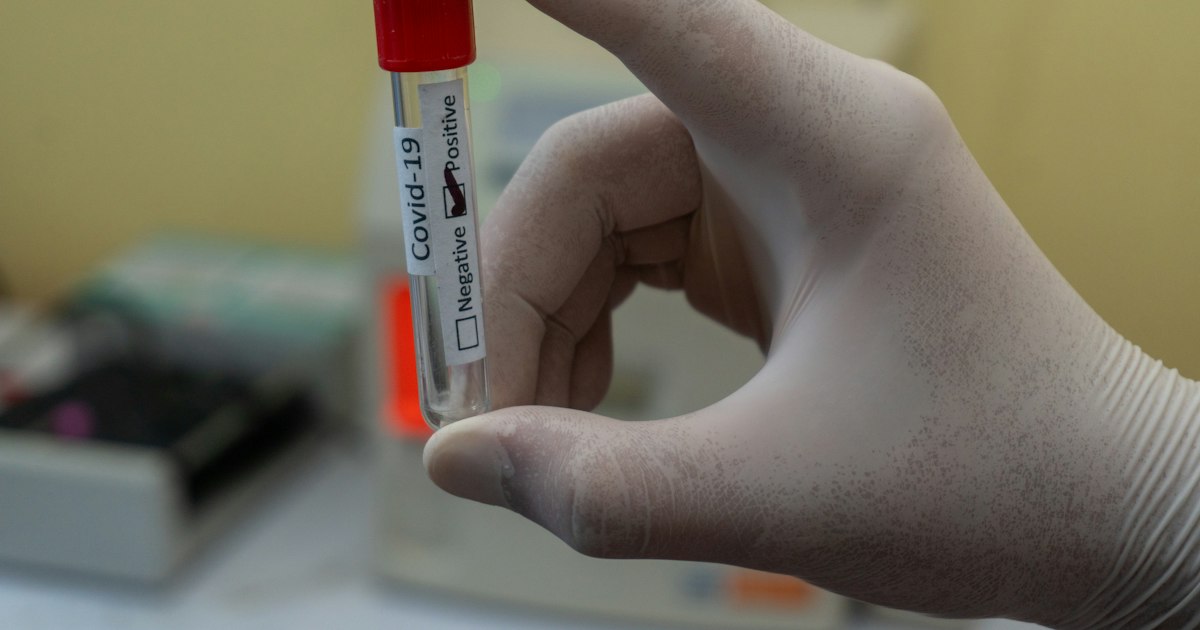
A zinc test result outside the reference interval is a reason to investigate, not to rush for supplements. A large share of "deviations" in athletes is explained by blood-collection conditions, inflammation or self-administered preparations. The editorial team examines why blood zinc is sometimes low or high and what steps make sense in each case.
First rule out a false result
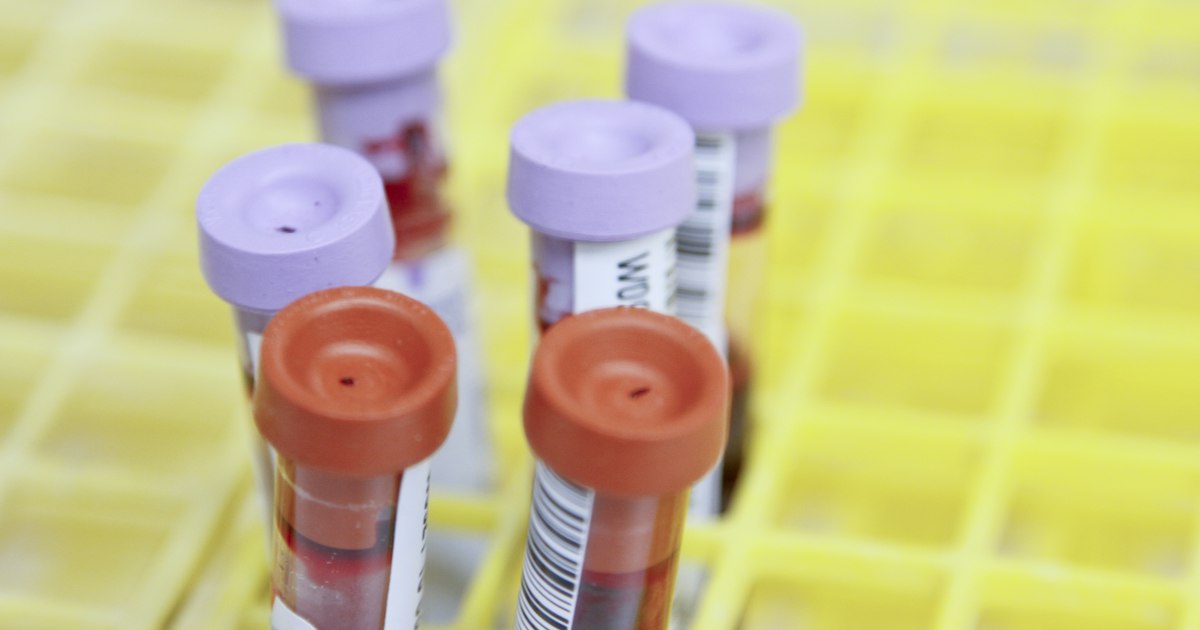
The first question with any deviation is whether the test was taken correctly. Serum zinc drops after food and over the course of the day, so blood drawn at midday may show a value below the limit even in a person with adequate status. That is why international experts set separate threshold values for morning fasting samples and for samples taken at other times.
The second common cause of "low" zinc is the acute-phase reaction. During an infection, after an injury or a very exhausting competition, cytokines force the liver to take up zinc from the blood. The serum level falls, although the body's overall reserves have not changed. If C-reactive protein is elevated at the same time, the zinc result should be considered unreliable and repeated after recovery.
The third factor is albumin. Since most serum zinc is transported by albumin, any decrease in this protein (in undernutrition, liver or kidney disease, pregnancy) automatically reduces total blood zinc. Here a low figure reflects a transport problem, not necessarily a shortage of the trace element.
A falsely high result is most often linked to hemolysis of the sample or contamination of the tube. Erythrocytes contain far more zinc than plasma, so destruction of cells during collection or transport of the sample overestimates the value. If the increase is unexpected and not explained by supplements, the first step is to retake the test.
The real causes of low zinc
The most common cause of a real deficiency is insufficient dietary intake. This applies to athletes who spend long periods "cutting", follow very low-calorie diets, and restrict meat and seafood. Plant sources of zinc contain phytates, which lower its bioavailability, so vegans need a higher intake or special culinary techniques (soaking, sprouting, fermentation).
The second group of causes is impaired absorption. Celiac disease, inflammatory bowel disease, chronic diarrhea, and gastrointestinal surgery reduce micronutrient uptake. Zinc absorption is also worsened by high doses of iron supplements taken at the same time, so combined-intake schedules should be agreed with a doctor.
The third group is increased losses. Zinc is excreted through sweat and urine; with large training volumes in the heat, total losses grow. Alcohol enhances renal zinc excretion, and some medications (in particular thiazide diuretics) also affect its balance.
Finally, deficiency occurs more often in people with relative energy deficiency in sport (RED-S), when energy intake systematically fails to cover expenditure. In this case low zinc is only one of the symptoms of a broader problem, and the cause must be treated, not a single figure.
- Prolonged calorie deficit and "cutting".
- A vegan diet without planning.
- Intestinal disease with malabsorption.
- Large losses through sweat, alcohol, some medications.
- RED-S and eating disorders.

Why zinc is sometimes elevated
In athletes, a genuine rise in blood zinc is almost always linked to supplements. "Men's health" complexes, ZMA formulas, immune supplements and multivitamins are often taken at the same time, and the total dose easily exceeds the tolerable upper limit — 40 mg per day for adults, set by the US Institute of Medicine.
Another source is prolonged sucking of zinc lozenges during colds. Studies used fairly high daily amounts, but in short courses; multi-week use of such a regimen already goes beyond the studied conditions.
A serious problem with excess zinc is secondary copper deficiency. Zinc stimulates the synthesis of metallothionein in the gut, which binds copper and prevents its absorption. Clinical descriptions (Willis et al., 2005) show that this can lead to anemia, neutropenia, and in severe cases to neurological disorders resembling vitamin B12 deficiency.
Less commonly, an elevated level occurs with occupational exposure to zinc (welding, electroplating) or the use of large amounts of zinc-containing denture creams. Such situations require a separate examination.
| Situation | Probable explanation | Next step |
|---|---|---|
| Low zinc + high CRP | Acute-phase reaction | Repeat after recovery |
| Low zinc + low albumin | Transport decrease, undernutrition | Assess nutrition, liver, kidneys |
| Low zinc with normal CRP and albumin | Probable deficiency of intake or absorption | Diet correction, doctor's consultation |
| High zinc against a background of supplements | Excessive intake | Discontinue supplements, check copper and CBC |
| High zinc without supplements | Hemolysis or contamination of the sample | Retake in another laboratory |
What to do when the level is low
As the first step, the editorial team recommends a repeat test under correct conditions: morning, fasting, without training the day before, outside acute illness. Along with zinc it is useful to measure C-reactive protein, albumin, a complete blood count and ferritin — iron and zinc deficiencies often go together because of shared dietary sources.
If a low level is confirmed, the basis of correction is nutrition: regular inclusion of meat, fish, seafood, eggs, dairy products; for vegetarians — legumes, nuts, seeds and whole grains with prior soaking. In parallel it is worth assessing whether the diet covers total energy expenditure.
Zinc supplements are an acceptable part of correction, but the dose and duration should be determined by a doctor. For adults without a prescription, a reasonable guideline remains not to exceed the tolerable upper limit of 40 mg per day from all sources. Zinc is better taken separately from large doses of iron and calcium.
When deficiency recurs despite normal nutrition, an intestinal examination is needed: celiac disease and other malabsorption conditions are often revealed precisely through persistent micronutrient deficiencies.
What to do when the level is high
If the level is elevated against a background of supplements, the first step is obvious — review all products that contain zinc and remove duplication. It is useful to add up the total daily dose, taking into account multivitamins, sports complexes and fortified foods.
Next, copper and ceruloplasmin should be checked, as well as a complete blood count with a differential. Anemia or a drop in neutrophils against a background of long-term zinc intake is a signal to see a doctor immediately, since the neurological consequences of copper deficiency may not fully recover.
If there were no supplements, the result should be rechecked, preferably in another laboratory with trace-element tubes. A persistent, unexplained increase without an external source is a reason to consult a physician or a toxicologist.
Excess zinc can manifest as nausea, a metallic taste and stomach discomfort. These symptoms are often attributed to "sports nutrition in general", although they may be a sign of an overdose of a specific supplement.
Editorial conclusions
Zinc deviations in athletes' blood are often an artifact: time of day, food intake, training, inflammation and low albumin substantially change the result. A repeat test under standard conditions is a mandatory first step.
A real deficiency is most often linked to restricted eating, an unplanned plant-based diet, malabsorption and RED-S, while a real excess is almost always linked to supplements.
Excess zinc is dangerous primarily because of copper deficiency, so long-term intake of high doses requires blood monitoring.
To complete the picture, read our materials on what the zinc test shows, on C-reactive protein in athletes and on monitoring iron and ferritin.
References
- King JC, Brown KH, Gibson RS, et al. Biomarkers of Nutrition for Development (BOND)—Zinc Review. J Nutr. 2016;146(4):858S–885S.
- Hess SY, Peerson JM, King JC, Brown KH. Use of serum zinc concentration as an indicator of population zinc status. Food Nutr Bull. 2007;28(3 Suppl):S403–S429.
- Institute of Medicine (US) Panel on Micronutrients. Dietary Reference Intakes for Vitamin A, Vitamin K, Arsenic, Boron, Chromium, Copper, Iodine, Iron, Manganese, Molybdenum, Nickel, Silicon, Vanadium, and Zinc. Washington (DC): National Academies Press; 2001.
- Willis MS, Monaghan SA, Miller ML, et al. Zinc-induced copper deficiency: a report of three cases initially recognized on bone marrow examination. Am J Clin Pathol. 2005;123(1):125–131.
- Mountjoy M, Sundgot-Borgen J, Burke L, et al. International Olympic Committee (IOC) Consensus Statement on Relative Energy Deficiency in Sport (RED-S): 2018 Update. Int J Sport Nutr Exerc Metab. 2018;28(4):316–331.
- Thomas DT, Erdman KA, Burke LM. American College of Sports Medicine Joint Position Statement. Nutrition and athletic performance. Med Sci Sports Exerc. 2016;48(3):543–568.
Andriy Melnyk
A strength-sports coach and author of programs for beginner and intermediate levels. Writes about training planning.