Zinc in the blood: what the test shows and why it matters for an athlete
Zinc is a trace element without which hundreds of enzymes, immune cells and the hormonal system do not work. Athletes often hear that they "lose zinc" with sweat and buy supplements at random. The editorial team explains what a blood zinc test actually shows, why its result is easy to misinterpret and in which situations this test truly helps.
Why the body needs zinc
Zinc is part of, or regulates the activity of, more than three hundred enzymes. Among them are carbonic anhydrase, which helps remove carbon dioxide from working muscles, lactate dehydrogenase, which takes part in converting lactate, and superoxide dismutase, which neutralizes free radicals. In addition, zinc stabilizes the so-called "zinc fingers" — regions of proteins through which hormone receptors bind to DNA.
An adult body contains only about 2–3 g of zinc, and almost all of it is "locked" in tissues. The largest reserves are concentrated in skeletal muscles and bones, with a noticeable amount in the liver, skin and prostate. There is no special "depot" from which the body could quickly draw zinc in case of deficiency, as there is with iron. That is why a constant supply from food is important.
The main dietary sources of zinc are red meat, poultry, seafood (especially oysters), eggs, dairy products, legumes and whole grains. Absorption from plant foods is lower because of phytates, which bind the trace element in the gut. That is precisely why vegetarians and athletes on strict diets fall into the group at risk of insufficient intake.
The recommended intake, according to the US Institute of Medicine, is 11 mg per day for adult men and 8 mg for women, while the tolerable upper limit is 40 mg per day from all sources. These figures are important to remember when it comes to supplements: here "more" does not mean "better".
What exactly the test measures
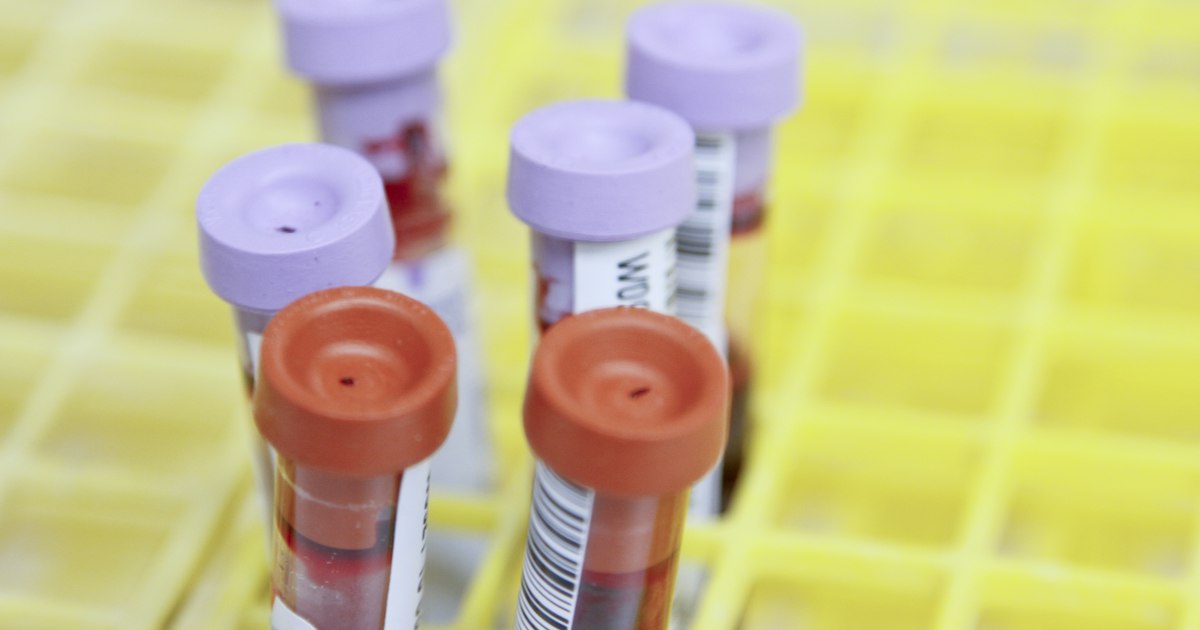
A standard laboratory test determines the concentration of zinc in blood serum or plasma. This "pool" holds less than one percent of the body's total zinc. Most serum zinc is bound to albumin, a smaller part to alpha-2-macroglobulin, and only a tiny fraction is in free form. In essence, this is transport zinc that is "on the way" between the gut, liver and tissues.
Despite the limitations, the international BOND group (Biomarkers of Nutrition for Development) in its 2016 review recognized serum zinc concentration as the best available biomarker of zinc status — primarily at the population level. For an individual, the result should be interpreted more cautiously: the body keeps the blood level fairly stable even when dietary intake falls.
Laboratories report the result in micromoles per liter or micrograms per deciliter (1 µmol/L ≈ 6.54 µg/dL). Reference intervals vary, but the lower limit usually lies around 10–11 µmol/L. The international advisory group IZiNCG proposes lower threshold values for a morning fasting sample of about 70 µg/dL for women and 74 µg/dL for men.
Other assessment methods — zinc in erythrocytes, hair or urine — are less standardized in routine practice. Hair analysis, sometimes offered by commercial laboratories, is not recommended by specialists for individual diagnosis: the result depends on shampoos, dyeing and contamination.
| Indicator | What it reflects | Limitations |
|---|---|---|
| Serum/plasma zinc | Transport pool, population status | Depends on time of day, food, inflammation, albumin |
| Erythrocyte zinc | Status over a longer period | Poorly standardized, rarely available |
| Zinc in urine | Excretion | Depends on diuresis and exertion |
| Zinc in hair | Population studies | External contamination, not for diagnosis |

Why zinc matters for an athlete
Intense training increases the need for antioxidant-defense and energy-metabolism enzymes, many of which are zinc-dependent. Lukaski's review (2004) showed that inadequate zinc status may be associated with reduced muscle strength and endurance, although there is no convincing evidence of benefit from supplements for people without a deficiency.
The second important area is immunity. Zinc is necessary for the maturation and function of T-lymphocytes; even a moderate deficiency weakens the immune response (Prasad, 2008). For athletes during periods of high training volume and competition, when the frequency of respiratory infections rises, this has practical significance.
The third aspect is hormonal regulation. Zinc takes part in the synthesis and action of testosterone and other hormones, and a pronounced deficiency in clinical observations was accompanied by lower testosterone. At the same time, an excess of zinc in people with normal status does not raise testosterone — this is one of the common marketing myths.
Finally, zinc is lost through sweat and urine, and its absorption worsens on low-calorie and plant-based diets. That is why the risk of insufficiency is higher in weight-category sports, in aesthetic disciplines and in female athletes with restricted nutrition.
- Energy metabolism:cofactor of glycolysis and lactate-utilization enzymes.
- Antioxidant defense:component of copper-zinc superoxide dismutase.
- Immunity:development and function of lymphocytes, barrier tissues.
- Recovery:protein synthesis, healing of wounds and microtraumas.
How to prepare for the test
The blood zinc level has noticeable daily fluctuations: it is highest in the morning and declines after food and over the course of the day. Therefore, blood should preferably be drawn in the morning on an empty stomach. Comparing results with one another is correct only when the collection conditions are the same — the same time of day, the same laboratory, the same diet the day before.
Intense training also changes the concentration: immediately after exertion the level may temporarily rise due to zinc release from damaged muscle cells, and in the following hours it may fall due to redistribution to the liver. The editorial team advises refraining from heavy training for at least a day before the test.
Any acute inflammation — a cold, injury, exacerbation of a chronic illness — lowers the serum zinc level. This is the acute-phase reaction: under the action of cytokines the liver actively takes up zinc. Therefore a result obtained during illness does not indicate a true deficiency; along with zinc it is advisable to measure C-reactive protein and albumin.
Substantial technical points are hemolysis of the sample and contamination of the tubes. Erythrocytes contain more zinc than plasma, so cell destruction overestimates the result. Special metal-free tubes are used for the test, so it is better to give blood at a laboratory that regularly performs it. Zinc supplements should be stopped before the test, in agreement with a doctor, if the goal is to assess your own status.
When the test makes sense
There is no need to routinely test zinc in all athletes. The test is useful when there are specific grounds: prolonged calorie restriction, vegetarian or vegan eating without a well-planned diet, intestinal disease with malabsorption, frequent infections, slow wound healing, loss of taste or appetite, hair loss.
Another situation is long-term supplement use. Excess zinc impairs copper absorption and can cause copper-deficiency anemia and neutropenia, as described in clinical reports (Willis et al., 2005). If a person takes high doses of zinc for months, testing zinc together with copper and a complete blood count helps to spot the problem in time.
The test should be interpreted in context: together with a dietary history, complete blood count, ferritin, albumin and inflammation markers. No single indicator gives the full picture, and a low result against the background of infection is better rechecked after recovery.
The IOC consensus on dietary supplements (Maughan et al., 2018) emphasizes: micronutrients are taken to correct a confirmed or probable deficiency, not "for prevention" in large doses. The test helps distinguish the first situation from the second.
Editorial conclusions
The serum zinc test shows the concentration of a small transport pool of the trace element, not its tissue reserves. Nevertheless, under proper collection conditions it remains the most practical available marker.
The result depends heavily on time of day, food intake, training the day before and inflammation. Without accounting for these factors it is easy to obtain a false "deficiency".
For an athlete the test makes sense in the presence of specific risks or symptoms, as well as for monitoring long-term supplement use when there is a threat of copper deficiency.
We also recommend reading our materials on what zinc above or below normal means, on the C-reactive protein test and on ferritin and iron reserves in athletes.
References
- King JC, Brown KH, Gibson RS, et al. Biomarkers of Nutrition for Development (BOND)—Zinc Review. J Nutr. 2016;146(4):858S–885S.
- Institute of Medicine (US) Panel on Micronutrients. Dietary Reference Intakes for Vitamin A, Vitamin K, Arsenic, Boron, Chromium, Copper, Iodine, Iron, Manganese, Molybdenum, Nickel, Silicon, Vanadium, and Zinc. Washington (DC): National Academies Press; 2001.
- Lukaski HC. Vitamin and mineral status: effects on physical performance. Nutrition. 2004;20(7–8):632–644.
- Prasad AS. Zinc in human health: effect of zinc on immune cells. Mol Med. 2008;14(5–6):353–357.
- Willis MS, Monaghan SA, Miller ML, et al. Zinc-induced copper deficiency: a report of three cases initially recognized on bone marrow examination. Am J Clin Pathol. 2005;123(1):125–131.
- Maughan RJ, Burke LM, Dvorak J, et al. IOC consensus statement: dietary supplements and the high-performance athlete. Br J Sports Med. 2018;52(7):439–455.
Andriy Melnyk
A strength-sports coach and author of programs for beginner and intermediate levels. Writes about training planning.