Uric acid: what the test shows and why it matters for an athlete
Uric acid is associated primarily with gout, but for an athlete this indicator is interesting for other reasons too. It reflects purine metabolism, responds to intense training, diets and dehydration, and also serves as one of the signals of metabolic health. The editorial team explains what the test shows and how to read it.
Where uric acid comes from
Uric acid is the end product of the breakdown of purines, that is, the nitrogenous bases adenine and guanine, which are part of DNA, RNA and the energy molecules ATP and GTP. Purines come from food, but most are formed in the body itself — during cell renewal and energy metabolism.
In most mammals uric acid is further broken down by the enzyme uricase into the readily soluble allantoin. Humans and great apes lost the active uricase gene in the course of evolution, so the level of uric acid in our blood is much higher than in many animals.
The biochemical pathway of formation proceeds through hypoxanthine and xanthine with the participation of the enzyme xanthine oxidase. It is precisely this enzyme that is blocked by medications that lower uric acid levels in gout. Approximately two-thirds of uric acid is excreted by the kidneys, the rest by the gut.
Interestingly, uric acid is a potent antioxidant of the plasma. Back in 1981 Ames and co-authors hypothesized that it partly compensates humans for the loss of the ability to synthesize vitamin C. That is, it is not just "waste" but a molecule with a dual role: protective under normal conditions and harmful in excess.
What the test measures and what the normal limits are
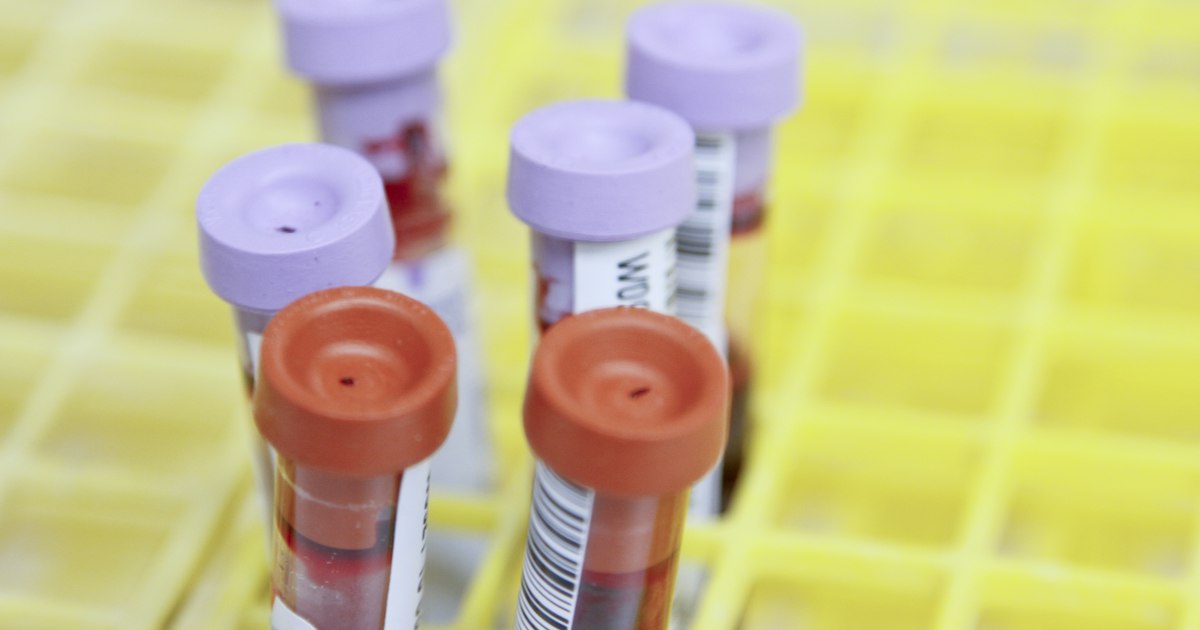
The test determines the concentration of uric acid (urates) in blood serum, usually by an enzymatic method. The result is reported in micromoles per liter or milligrams per deciliter (1 mg/dL ≈ 59.5 µmol/L). Reference limits depend on the laboratory, sex and age: in men they are higher, in women before menopause lower thanks to estrogens, which enhance renal excretion.
For understanding risks, more important than the "laboratory norm" is the physico-chemical threshold. Under physiological conditions urates saturate the plasma at approximately 6.8 mg/dL (about 400 µmol/L). Above this level the likelihood of the formation of sodium urate crystals in joints and tissues rises.
Guidelines for the treatment of gout — the American College of Rheumatology (2020) and EULAR (2016) — set a target level for patients on therapy below 6 mg/dL (360 µmol/L). For people without gout such targets are not applied, but the benchmark helps to understand where the "safe zone" ends.
High uric acid without symptoms is called asymptomatic hyperuricemia. Most people with such a result will never have a gout attack, and drug treatment in this case is usually not recommended. However, this indicator is associated with metabolic syndrome, arterial hypertension and the risk of kidney stones.

Uric acid and physical exertion
Intense muscular work accelerates the breakdown of ATP to ADP and AMP. When energy needs exceed the capacity to restore ATP, some adenine nucleotides degrade to inosine and hypoxanthine, and then to uric acid. Therefore, after sprint, interval or very prolonged exertion its level in the blood temporarily rises.
Lactate additionally contributes to the rise: during intense work it competes with urates for excretion in the kidneys, and uric acid is retained. Dehydration reduces renal blood flow and also raises the concentration.
As a result, a test taken the next morning after hard training or a competition may show values higher than usual. This does not mean illness, but when assessing the result it is important to know what happened the day before.
By contrast, regular moderate training, a reduction of excess fat mass and improved insulin sensitivity contribute to lower values in the long term. Insulin resistance reduces renal excretion of urates, so metabolic health and uric acid are closely linked.
An athlete's nutrition and uric acid
A prospective study by Choi and co-authors (2004) among more than 47,000 men showed: high consumption of meat and seafood was associated with a higher risk of gout, whereas total protein intake and purine-rich vegetables were not, and dairy products had a protective association. For athletes this is important: whey and casein protein belong to milk proteins.
Another significant factor is fructose. Its metabolism in the liver quickly consumes ATP and stimulates the formation of uric acid. In a cohort study (Choi, Curhan, 2008) consumption of sugary carbonated drinks was associated with a higher risk of gout. Athletes who drink a lot of sugary beverages outside of training should take this into account.
Alcohol, especially beer, raises uric acid levels through several pathways at once — via purines, accelerated breakdown of ATP and inhibition of excretion by lactate. Strict fasts and ketogenic diets at the start can also temporarily raise the level, because ketone bodies compete with urates for renal excretion.
| Factor | Effect on uric acid | Comment |
|---|---|---|
| Red meat, offal, seafood | Raises | Association with gout in cohorts |
| Dairy products | Lowers or neutral | Protective association (Choi et al., 2004) |
| Fructose, sugary drinks | Raises | Through accelerated ATP breakdown in the liver |
| Alcohol, especially beer | Raises | Several mechanisms at once |
| Fasting, ketosis | Temporarily raises | Competition of ketones for excretion |
How to take the test and who needs it
For a correct result, blood is given in the morning on an empty stomach, after the usual fluid intake. It is advisable to avoid intense training and competitions for at least 24–48 hours, as well as alcohol and an excess of meat the day before. If you are on a diet with a sharp calorie deficit, inform your doctor about it.
Some medications affect uric acid levels: thiazide and loop diuretics, low doses of aspirin, cyclosporine raise it, while losartan, fenofibrate, and high doses of vitamin C lower it. All medications and supplements should be reported to the doctor.
The test is advisable for athletes with pain and swelling of the joints (especially the big toe), kidney stones, elevated blood pressure, excess body mass or signs of metabolic syndrome. Weightlifters and athletes in "heavy" weight categories with a large body mass and high meat consumption should periodically monitor this indicator.
It is also useful to assess uric acid together with creatinine, the lipid profile, glucose and blood pressure — this gives a better view of the overall metabolic context.
- In the morning on an empty stomach, after normal hydration.
- Without heavy training for 1–2 days.
- Without alcohol and abundant meat the day before.
- With a list of all medications and supplements for the doctor.
Editorial conclusions
Uric acid is a product of purine breakdown and at the same time an important antioxidant of the plasma. Problems arise when its concentration exceeds the solubility threshold and crystal formation begins.
In athletes the level changes under the influence of intense training, dehydration, diets and eating habits, so the test should be taken under standard conditions.
Milk proteins do not raise the risk of gout, whereas an excess of meat, fructose and alcohol does. This is useful to keep in mind when planning nutrition.
Read also our materials on the causes of elevated and reduced uric acid in athletes, on creatinine and kidney function and on the lipid profile.
References
- FitzGerald JD, Dalbeth N, Mikuls T, et al. 2020 American College of Rheumatology Guideline for the Management of Gout. Arthritis Care Res (Hoboken). 2020;72(6):744–760.
- Richette P, Doherty M, Pascual E, et al. 2016 updated EULAR evidence-based recommendations for the management of gout. Ann Rheum Dis. 2017;76(1):29–42.
- Dalbeth N, Merriman TR, Stamp LK. Gout. Lancet. 2016;388(10055):2039–2052.
- Choi HK, Atkinson K, Karlson EW, Willett W, Curhan G. Purine-rich foods, dairy and protein intake, and the risk of gout in men. N Engl J Med. 2004;350(11):1093–1103.
- Choi HK, Curhan G. Soft drinks, fructose consumption, and the risk of gout in men: prospective cohort study. BMJ. 2008;336(7639):309–312.
- Ames BN, Cathcart R, Schwiers E, Hochstein P. Uric acid provides an antioxidant defense in humans against oxidant- and radical-caused aging and cancer: a hypothesis. Proc Natl Acad Sci USA. 1981;78(11):6858–6862.
Andriy Melnyk
A strength-sports coach and author of programs for beginner and intermediate levels. Writes about training planning.